The modern factories of the world have all the right materials to operate efficiently. The requirements are strength, speed, and accuracy. Industrial plastic components are becoming a part of the engineers’ lives, who are trying to create lighter and smarter machines. Plastics perform well in severe conditions. They save money and add more value to the operations. Industries around the globe employ them to improve production and improve competitiveness. The use of plastics reshapes the way systems move, connect, and protect equipment.
Why Industrial Plastic Components Drive Modern Engineering
Plastics shape almost all production lines today. Its roles have drastically expanded. Steel-dependent factories are now leaning toward engineered polymers.
Noteworthy advantages have been put forward:
- Lightweight for faster machine cycles
- High tolerance to
- Chemicals and temperature
- Cost efficient for mass production
Reduced noise produced for quieter operation
They guarantee reliable output also, safe working standards are maintained by teams. The companies enjoy more flexibility concerning designs and set-up. Plastics will build the future of mechanical development.
Strength and Durability Characteristics of Engineered Polymers
Plastic components sustain high industry activity and resist breaking up and wearing. They remain stable even in excessive motion. This improves the life expectancy of machines between maintenance cycles.
Examples of performance-strength properties:
- Long-term resistance to friction
- Wet or dry operational environments
- Impact-resistant without deformation
The overall result is that factories have fewer breakthroughs, so operations continue to run smoothly. A strong component equates to stronger business performance.
Applications across the global sectors
Plastic development comprises all mainstream industries.
These include:
- Automotive and transport
- Machinery and automation
- Precision electronics
- Building systems
Medical production machines
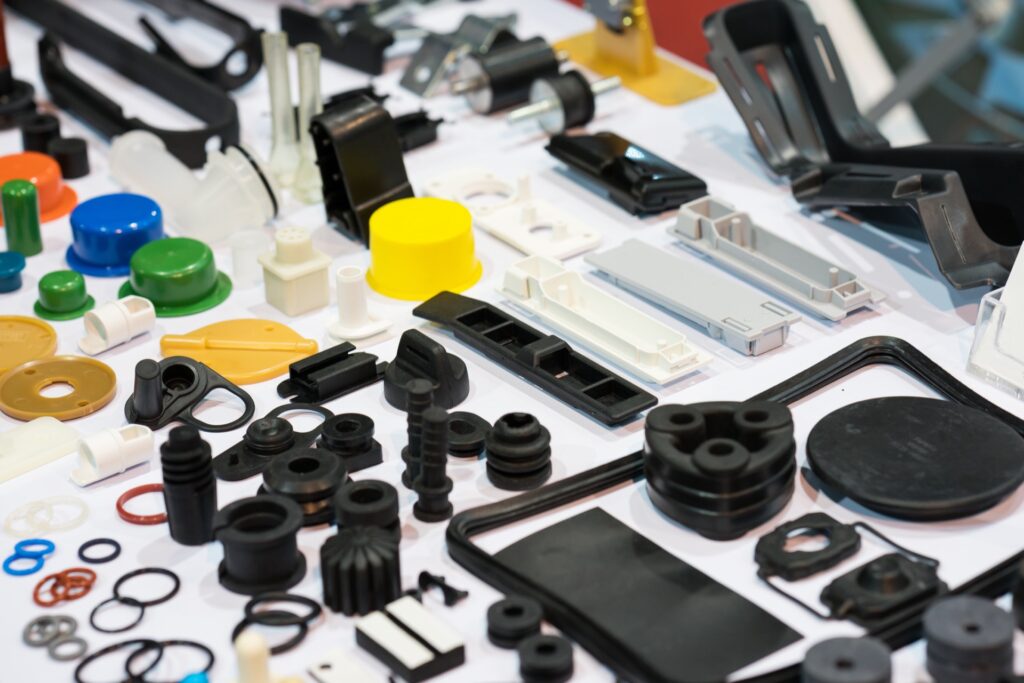
Each sector demands specialization in the material and plastics can suit such requirements perfectly. There are literally thousands of grades available, and teams can determine the proper polymer for every application. That kind of flexibility gives manufacturers much greater freedom of creativity complex shapes are made possible with little extra cost.
Design Freedom and Reduction in Cost
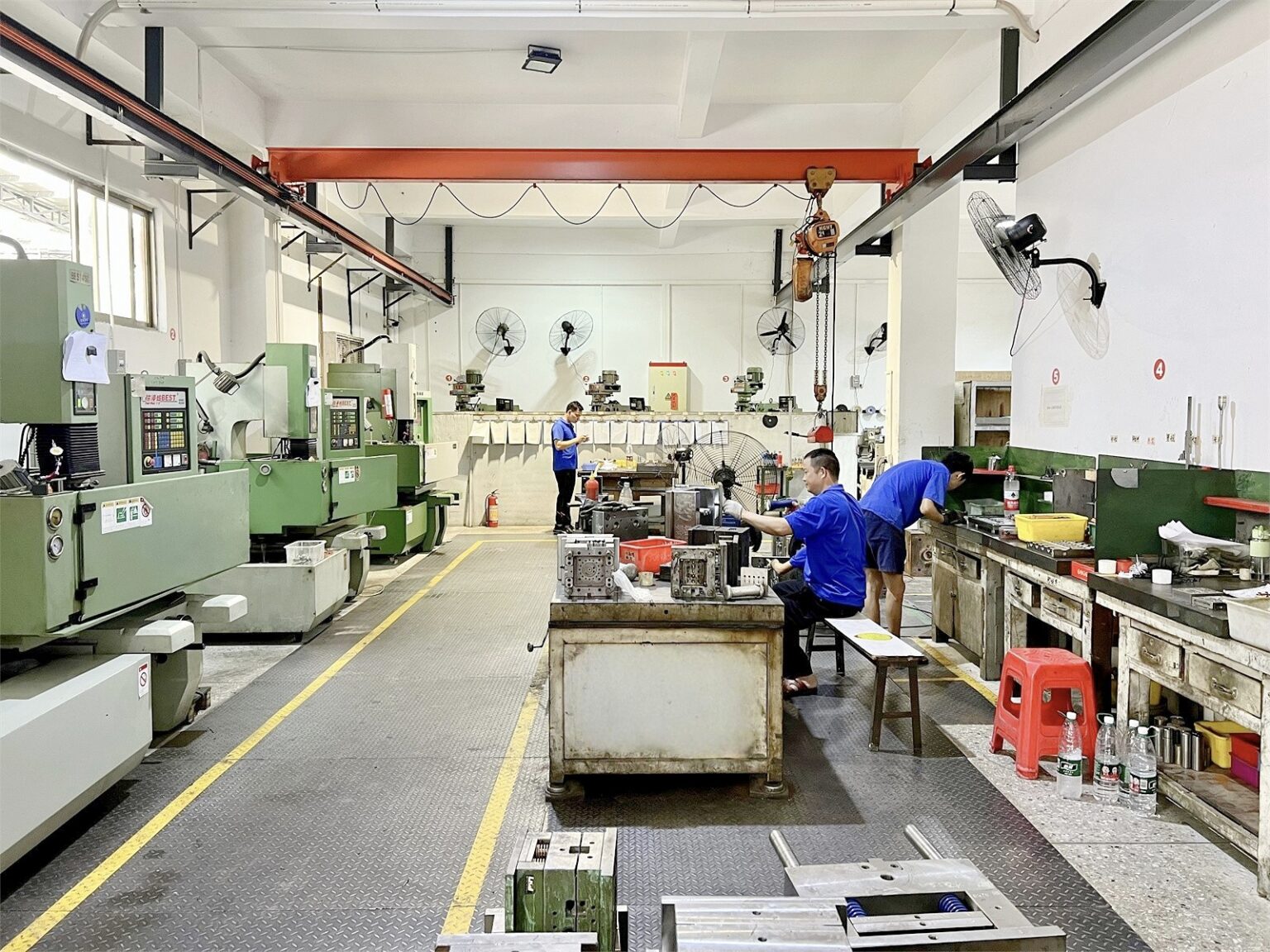
Product development can be brought to new standards when designers think beyond metal. Plastics allow intricate forms without extra machining. Molds turn raw resins into technical shapes at record speed. Teams test and redesign faster.
Cost advantages:
- Reduced tooling waste
- Consistently accurate
- Short cycle times
- Less energy consumption
These savings count for anything from prototype to mass scale more profit margins mean greater technological reinvestment.
Expanding Possibilities with industrial Plastic Components
Every year, new applications become available for manufacturers additive manufacturing increases this speed. Nowadays, plastics support both 3D-printed prototypes and end-use parts this opens new options for rapid engineering modifications.
Industrial Plastic Components are replacing metal in most factories. Engineers prefer such materials since they require lower maintenance and are easier to install. Lightweight materials will lessen the load pressure on machines, promoting cleaner movement and better output, all on a per-shift basis. The performance advantage multiplies across large systems.
Intelligent Material Choices are the Keys to Global Manufacturing
Here comes the New Year again, as supply chains keep getting larger and more sophisticated. Most companies prefer suppliers who have the right technical knowledge and skills.
Plastics facilitate reliable production across national borders without busting the budget for consistent standards.
This makes certain:
- Availability of parts when needed
- Reduced lead times
- And greater consumer confidence
Quality of materials defines the performance of product usage. However, plastics help bridge budget targets with performance targets.
Conclusion The scenario in manufacturing keeps changing at fantastic speed companies that seek solid ways of creating better machines to meet cut-throat competition need industrial plastic components that provide lightweight strength, precise functions, and cost-saving values. These could empower production plants around every field and region, make safer, faster, and more flexible engineering possible, and give companies that select more advanced polymers a competitive edge that lasts. Smart selection of material accelerates growth and shapes the next phase of industrial evolution.