In product development, the excitement to move fast is real — especially when the design looks “final” on screen.
But in injection molding, a beautiful 3D model doesn’t always mean it can be manufactured smoothly.
That’s why we always encourage our clients to go through a DFM (Design for Manufacturability) review before mold fabrication begins.
Here’s why
1. DFM helps you avoid expensive surprises
Once steel is cut, every change becomes:
- slower
- costlier
- and sometimes impossible
DFM identifies risks such as:
- Undercuts requiring unnecessary slides
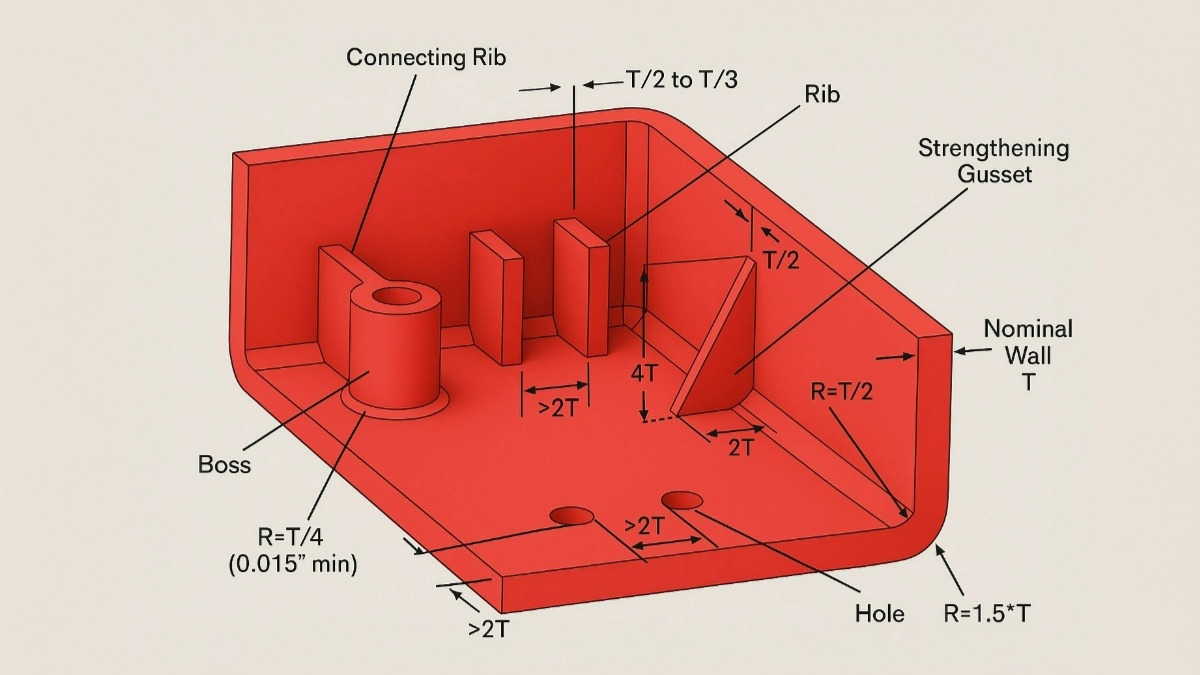
- Wall thickness differences that cause sink marks
- Sharp edges that create stress cracks
- Poor parting line choices
- Poor draft angles that make demolding difficult
A 30-minute review can save weeks of modification later.
2. Better mold structure = longer mold life
A good design allows:
- uniform filling
- stable cooling
- smoother ejection
The result?
A mold that runs efficiently for years, not just through the first production batch.
3. DFM accelerates your time to market
Many clients think reviewing DFM will slow them down.
But the opposite is true.
A predictable mold runs with:
- fewer defects
- fewer adjustments
- fewer trial rounds
You get your product faster because we eliminate problems before they enter the factory.
4. DFM prevents functional issues in assembly
A DFM review checks how your part behaves in the real world:
- Does the snap-fit survive repeated use?
- Will ultrasonic welding have enough surface area?
- Is the screw boss strong enough?
- Will two parts fit perfectly without flashing or deformation?
Good manufacturability = good product performance.
5. It aligns all teams before the first cut
Designer ➜ Engineer ➜ Mold maker ➜ Manufacturer
Everyone sees the same risks, the same structure, the same expectations.
This alignment dramatically improves the success rate of first-shot samples.
Our Approach
Before we start steel cutting, our engineering team performs a full DFM that covers:
- Parting line
- Ejection method
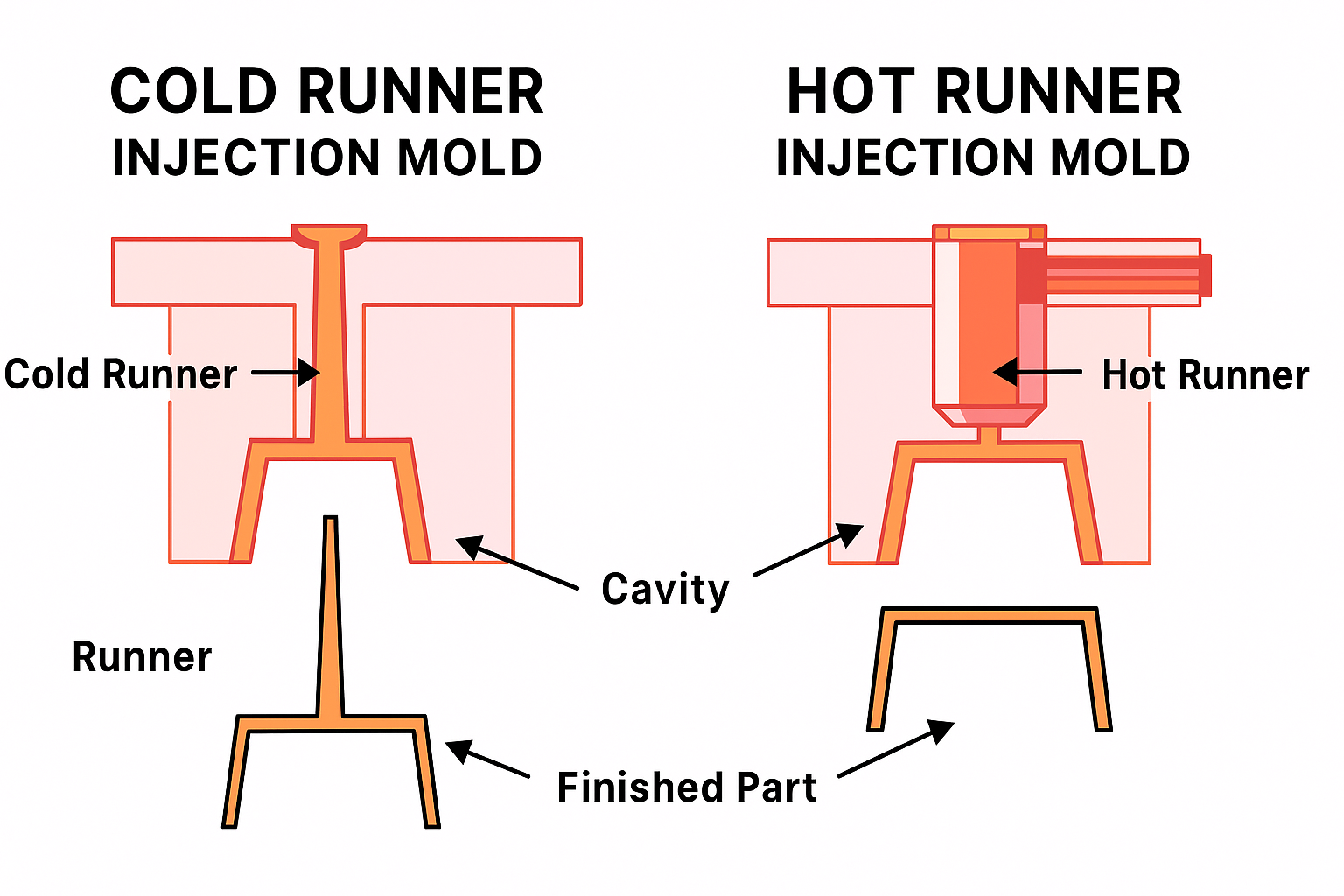
- Gate location
- Wall thickness
- Draft angle
- Undercut handling
- Assembly requirements
- Mold-flow considerations
This step helps our clients avoid unnecessary costs and ensures the mold performs reliably from day one.